Record one clean 30-minute open-format mix.
Pick music that shows range, not just taste. A first client needs to hear that you can move between familiar songs without making the room feel awkward.
First Gig Roadmap
If you can mix at home but have no bookings yet, your next job is not becoming famous. Your next job is making it easy for one real person to trust you with one real event.
Your first DJ gig usually comes from proof, clarity, and warm local opportunities. Once you can handle a small event well, weddings and private events become the bigger lane to grow into.
This is the same first-booking path the From Bedroom to Booked playbook expands into proof, pricing, referrals, and the next paid event.
Start with the broader beginner DJ roadmapExplore the DJ side hustle pathLearn how to get paid to DJ partiesSee the beginner DJ pricing guideSee how to DJ a wedding for the first timeLearn how wedding DJs get more referralsGet The Full Playbook - $4.99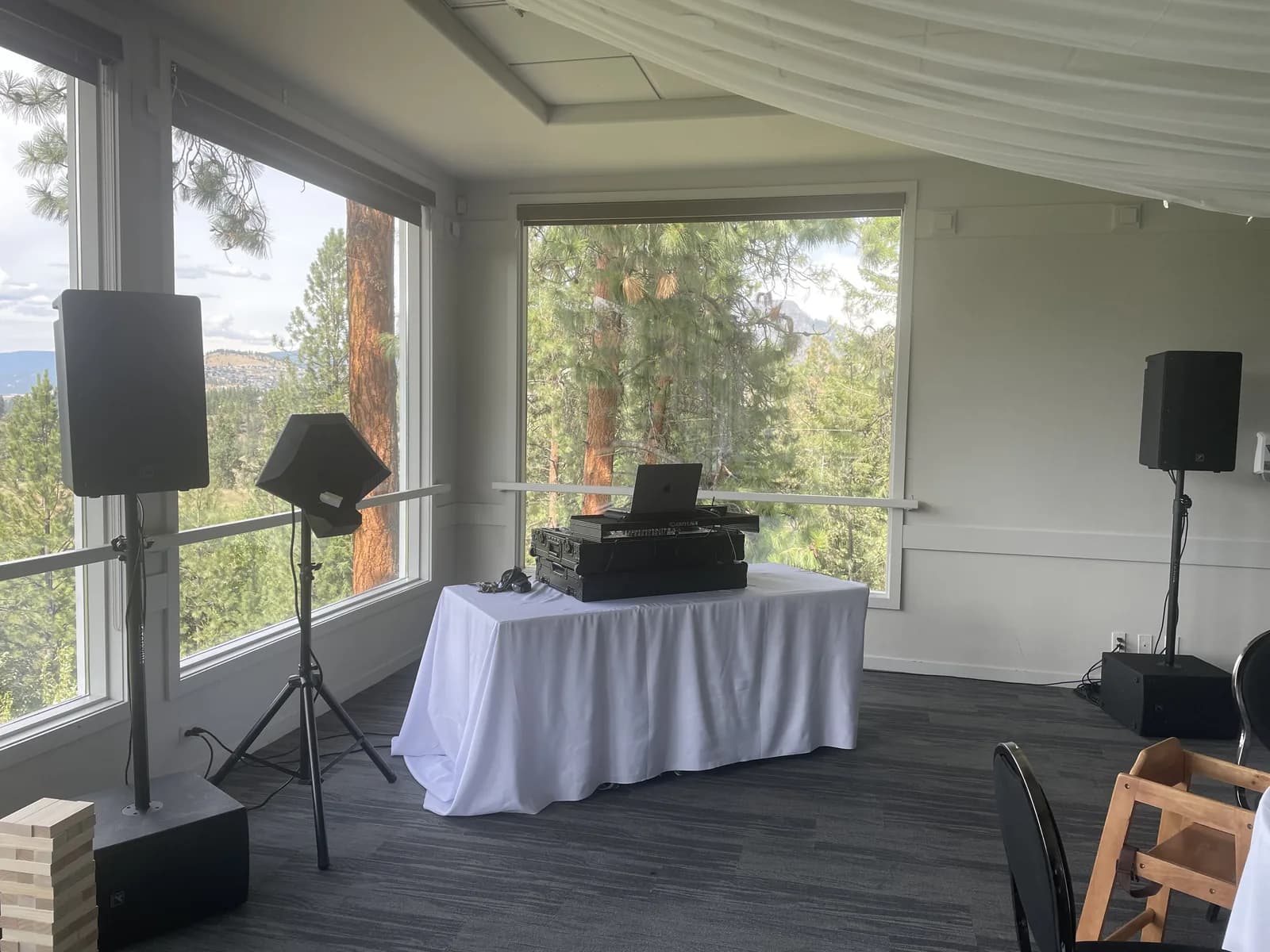
First Principle
New DJs often think they need better transitions, better gear, or a huge following before anyone will book them. Those things can help, but the first booking usually happens when someone believes you will make the event easier, not riskier.
That means your first job is to look prepared. Show what you play. Explain what you bring. Ask better questions than the average beginner. Make the host feel like you understand the night, not just the music.
First Gig Targets
The best first gig is not always the coolest gig. It is the event where you can prepare properly, do a good job, and leave with a testimonial or referral. Small rooms are not a step backward. They are where many working DJs learn how to be trusted.
Proof Before Bookings
Pick music that shows range, not just taste. A first client needs to hear that you can move between familiar songs without making the room feel awkward.
Write what you play, what you bring, what kinds of events you can handle, and how someone can contact you. Clarity makes you easier to refer.
Stage a clean setup photo, controller photo, or small-room event photo. You do not need fake proof. You need visual context that helps someone picture you at an event.
A short honest testimonial from a party host is more useful than a polished paragraph nobody believes.
Getting More DJ Gigs
The first DJ gig matters because it gives you something better than confidence: proof. Once one host trusts you and the event goes well, you can use that night to make the next conversation easier.
After every event, write down what worked, ask for one honest sentence from the host, save a clean photo if appropriate, and ask who else has an event coming up. That simple follow-up turns one booking into a repeatable local gig path.
Do not chase every possible event at once. Pick the kind of small event you can serve well, make a clear offer for it, and let each good room create the next introduction.
Learn how to turn gigs into proofSee how to price a first gig clearlyBuild the referral loopIf You Want More Bookings
A short testimonial or clean event photo makes the next conversation safer because it gives a real host something specific to trust.
See what strong DJ proof looks likeOnce your offer is simple and the first gig has gone well, the next booking gets easier when your pricing feels clear instead of improvised.
Learn beginner DJ pricingFrom Bedroom to Booked ties together proof, pricing, weddings, and the trust building path behind the first paid bookings.
Get The Full Playbook - $4.99Outreach Plan
Do not lead with a vague “let me know if you need a DJ.” Lead with a clear, useful sentence: you are taking small private-event DJ bookings, you can handle two to three hours, and you are looking for the right first few events to build momentum.
Your outreach should feel calm and specific. Tell people what kinds of events you can help with, what the host gets, and what the next step is. The clearer you are, the easier you are to refer.
4-Step Booking Loop
Tell friends, coworkers, local groups, photographers, planners, and venue contacts that you are taking small private-event DJ bookings.
Make the first yes simple: two or three hours, a clear rate, a basic setup, and a short intake call so you know what the event needs.
Ask about timing, age range, must-play songs, do-not-play songs, announcements, load-in, power, and backup plans. That is what separates a paid DJ from a playlist.
After the event, collect a testimonial, a photo if appropriate, and one referral ask. Your first gig should make the second one easier.
Why This Leads To Weddings
Your first gig teaches you how to handle people, timing, requests, gear, setup, nerves, and the reality of being responsible for a room. Those skills transfer directly into private events and weddings.
Once you can prove that you are reliable, weddings become less mysterious. A wedding is still higher-stakes, but the building blocks are the same: trust, preparation, communication, crowd feel, and calm leadership.
That is why the playbook focuses on the path from first proof to paid wedding opportunities, not just better mixes.
Read how beginner DJs can turn gigs into incomeLearn what to focus on at your first weddingAvoid the wedding dance floor mistakesFirst Gig FAQ
Start with small local events where trust matters more than a long resume. Build simple proof, tell warm contacts you are taking bookings, offer a clear first-gig package, and prepare like a professional.
Treat each gig as the start of the next one. Choose small events you can prepare well, make the host feel safe, collect a testimonial or photo when appropriate, ask for one referral, and keep a clear offer ready for the next person who asks.
A real first gig is any event where someone trusts you to manage music for guests, even if it is small. A paid private party, community event, school dance, or short corporate mixer can all count.
Free or low-cost practice can help if it produces proof, confidence, and referrals. Avoid endless unpaid work. Set a clear reason for the gig and a clear next step after it.
There is no universal first-gig rate. Start with the event size, hours, travel, gear, preparation, and your confidence level. The key is to quote clearly and avoid surprising the client later.
Before the night ends, make sure people know how to find you. After the event, ask the host for one sentence of feedback, request permission to use a photo if appropriate, and ask who else they know with an event coming up.
Next Step
From Bedroom to Booked shows how to move from music skill to trust, pricing, first paid gigs, and the wedding roadmap. Read it tonight, then start building proof people can actually book.
Results are not guaranteed. This page is educational and the playbook is a roadmap, not a promise of bookings or income.