Brightside DJsGet The Playbook

Wedding DJ Skills

Wedding DJ Skills Beyond Mixing

The biggest lie new wedding DJs believe is that the job is mostly about mixing. Mixing matters. But weddings pay for the parts of the night that happen around the music too.

Couples are trusting you with timing, announcements, pressure, family dynamics, ceremony audio, dance floor energy, and a room full of people who may all want different things.

Read how beginner DJs make moneyLearn how to get your first DJ gigSee the dance floor mistakes DJs should avoidLearn the pricing mistakes new wedding DJs makeSee how to DJ a wedding for the first timeLearn how to read a wedding crowdSee the backup plan every wedding DJ should haveAvoid the MC mistakes that make DJs look amateurGet The Full Playbook - $4.99
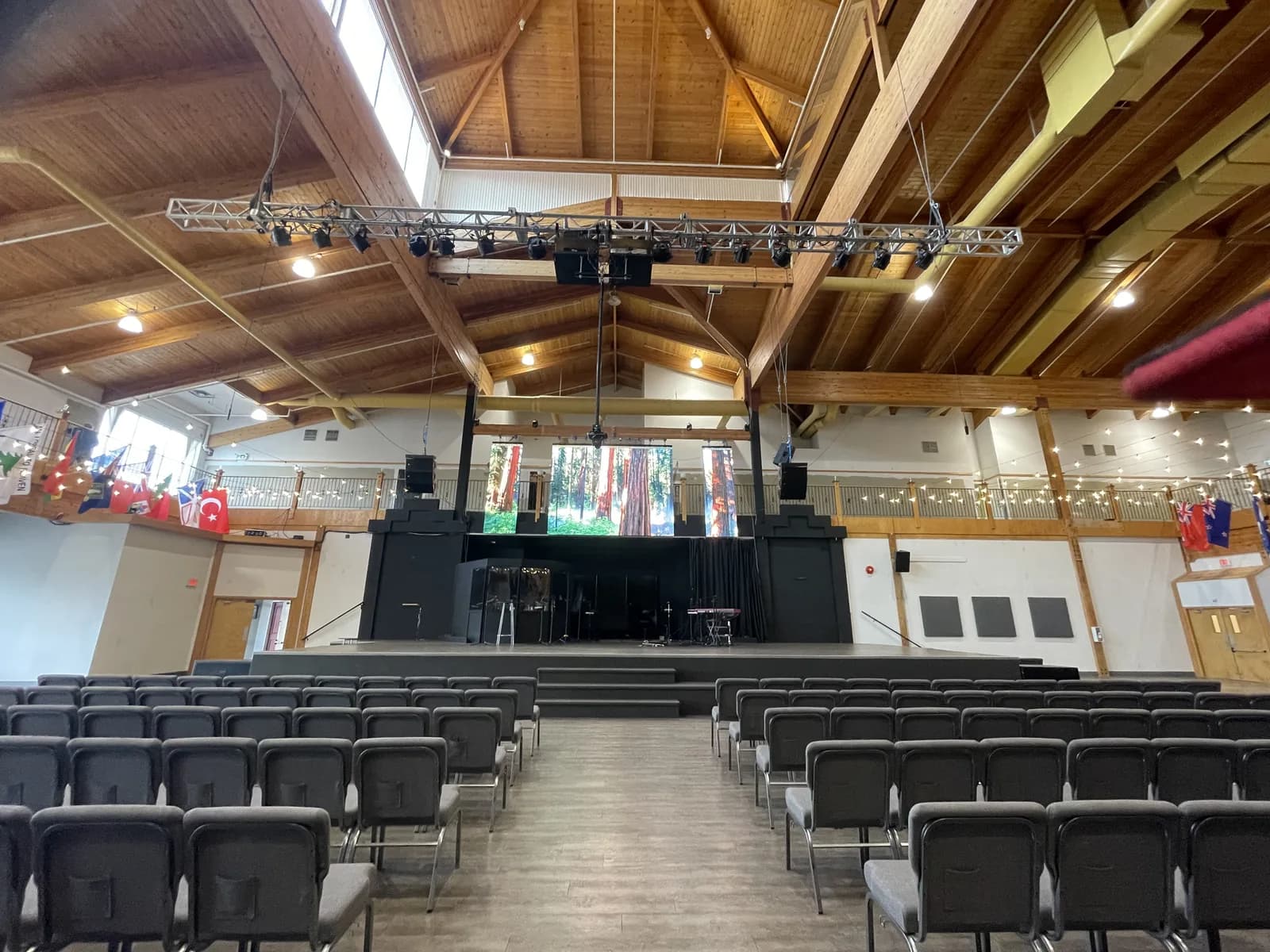
Wedding ceremony room with DJ speakers and chairs arranged before guests arrive
Wedding DJing starts before open dancing: ceremony sound, room flow, timing, and calm preparation are part of the job.

The Reframe

Wedding DJing is not just a music job.

A club crowd can leave, order another drink, or wait for the next DJ. A wedding couple does not get another wedding day. That is why the job carries more responsibility than a playlist or a clean transition.

If you want to get paid better as a DJ, this is the shift to understand: people pay more when they trust you with the outcome, not just the songs.

The Skill Shifts

What changes when you move from mixing to weddings?

01

From playing songs to leading moments.

At a wedding, the music is attached to real moments: ceremony entrances, introductions, first dances, parent dances, dinner energy, speeches, open dancing, and the last song. You are not just playing tracks. You are helping the night move.

02

From mixing cleanly to reading the room.

Clean transitions matter, but the room tells you what to do next. A wedding DJ has to notice age groups, exits, requests, fatigue, confidence, and whether the crowd is ready to go bigger or needs a reset.

03

From playlist taste to client trust.

Couples are buying confidence. They want to know you understand their taste, their guests, their timeline, and the pressure of the day. The best mix in the world does not matter if the client feels unmanaged.

04

From gear owner to event partner.

Weddings reward preparation. The DJ needs a planning process, backup plan, clear communication, clean setup, and the calm to handle timeline changes without making the couple feel the stress.

05

From quiet DJ to clear MC.

You do not need to become a cheesy host. You do need to make announcements people can understand, guide transitions, introduce moments clearly, and protect the room from confusion.

The Trust Stack

The skills that make couples comfortable hiring you.

Client intakeTimeline awarenessCeremony audioMC announcementsCrowd readingRequest judgmentVendor communicationBackup planningDinner music pacingDance floor recoveryReview collectionReferral follow-up

None of these skills require you to become fake, cheesy, or someone you are not. They require you to treat the wedding like a real event with real stakes. That is the part many talented DJs miss.

Why This Pays

Higher-value gigs reward lower-risk DJs.

Beginner DJs often ask how to charge more. The answer is not only better transitions or more gear. It is becoming the person a client trusts when the event matters.

Weddings are one of the clearest examples. The client is not buying four hours of music. They are buying ceremony confidence, timeline flow, family-friendly judgment, guest energy, and the feeling that somebody capable has the room.

See the beginner DJ pricing guideLearn how to get paid to DJ partiesExplore the DJ side hustle path

Beyond Mixing FAQ

Questions DJs ask before moving into weddings.

Is mixing enough to become a wedding DJ?

No. Mixing helps, but wedding DJing also requires client communication, MC work, timeline awareness, crowd reading, preparation, ceremony audio, and the ability to keep a high-emotion event feeling handled.

What skills do wedding DJs need besides music?

Wedding DJs need planning, communication, timeline management, announcements, crowd reading, request judgment, backup systems, and calm leadership when the room or schedule changes.

Do wedding DJs need to be MCs?

Yes, at least enough to guide the night clearly. A wedding DJ usually needs to make announcements, introduce key moments, direct guests, and keep the event moving without making the night feel awkward.

Why do weddings pay DJs more than small parties?

Weddings often pay more because the responsibility is higher. The DJ is trusted with ceremony sound, timeline moments, guest experience, announcements, dance floor energy, and risk management on a day the couple cannot repeat.

Can a bedroom DJ learn wedding DJ skills?

Yes. A bedroom DJ can learn wedding skills by studying event flow, practicing announcements, shadowing or assisting pros, building proof at smaller events, and treating preparation as part of the craft.

Next Step

Want the practical path from DJ skill to booked weddings?

From Bedroom to Booked shows beginner DJs how to turn music skill into trust, proof, pricing, and a private-event roadmap that makes wedding DJing feel less mysterious.

Results are not guaranteed. This page is educational and the playbook is a roadmap, not a promise of bookings or income.

Get The Playbook - $4.99